
How Much Does It Cost to Open a Play Café? (The Honest Breakdown)

.svg)
.svg)

This is the question I hear most often in my inbox, and it deserves a straight answer — not a range so wide it's useless, and not a "let's get on a call first" runaround.
If you've been researching play cafés online, you've probably run into vague estimates that span hundreds of thousands of dollars, or manufacturer websites that won't give you a number until you've already handed over your contact information. I'm going to do something different. I'm going to give you real numbers — because you deserve to know what you're walking into before you start spending your family's savings.
The Six Cost Categories Every Play Café Owner Needs to Budget For
1. Space
Your lease is likely your single biggest ongoing expense, and it's the one that varies the most. Play cafés typically need between 2,000 and 6,000 square feet, depending on the size of your equipment footprint and whether you're adding a café, party rooms, or retail.
Rent in most US markets runs $15–$40 per square foot annually, which means you could be looking at $3,000–$20,000 per month just for space. Research your local market carefully before you fall in love with a location — the difference between a good lease and a bad one can make or break your business.
2. Equipment
This is where iFun Americas comes in, and where most of the sticker shock happens for first-time owners.
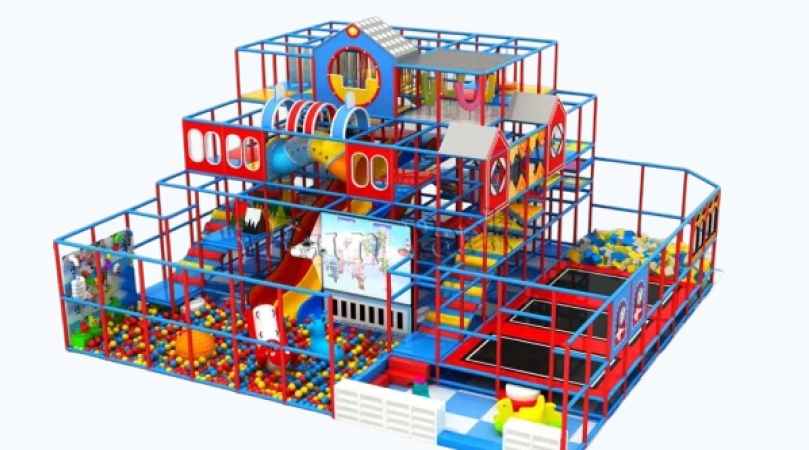
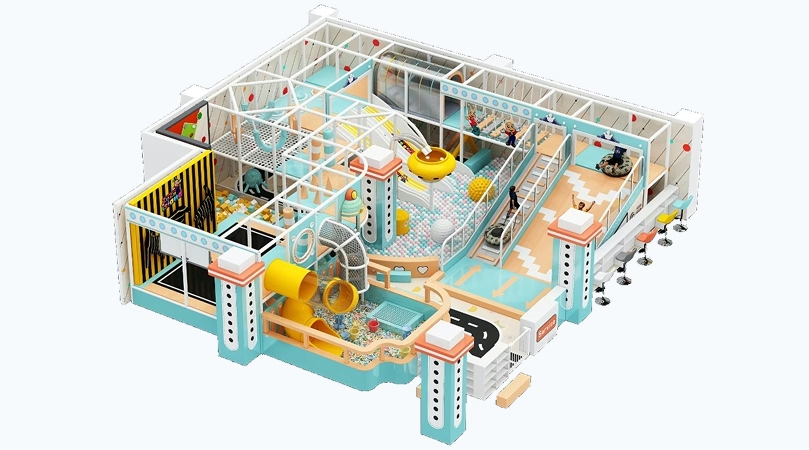
A quality custom indoor playground for a 2,000–3,000 square foot space typically runs $40,000–$100,000 for the equipment itself. Larger, more complex builds can go well beyond that.
Here's what most people don't realize: that range is enormous because there's an enormous range in quality and accountability. An anonymous overseas factory might come in cheaper on paper — but if the equipment fails safety inspections, arrives damaged with no recourse, or needs replacing in two years, it was never actually cheaper.
At iFun Americas, we manufacture in our own 200,000 sq ft ISO-certified facility in Guangzhou and manage everything through our Utah-based team. That means factory-direct pricing with US-based legal protection — and we typically land 20–40% below comparable American suppliers.
3. Installation
Budget $5,000–$20,000 for professional installation depending on complexity and your location. At iFun Americas, installation is managed by our team — you don't have to figure it out yourself.
4. Permits and Licensing
Every state and municipality is different. Plan for business licenses, building permits, food service permits if you're serving food, and potentially a childcare facility license depending on your state. Budget $1,000–$5,000 and consult a local attorney before you sign a lease.
5. Interior Build-Out
Beyond the playground equipment, you'll need flooring, paint, signage, café furniture, a point-of-sale system, and everything else that makes a space feel like a real business. Budget $10,000–$30,000 for a clean, professional build-out.
6. Working Capital
The mistake I see most often: spending every dollar on the build and opening with no runway. Budget for at least three to six months of operating expenses before you expect to break even — rent, payroll, utilities, supplies, and marketing.
What Does This All Add Up To?
A realistic budget for a first-time play café owner in a mid-sized US market:
Space (first + last + deposit): $10,000–$60,000
Equipment: $40,000–$100,000
Installation: $5,000–$20,000
Permits and legal: $1,000–$5,000
Interior build-out: $10,000–$30,000
Working capital (3 months): $15,000–$50,000
Total: $80,000–$265,000
That's a wide range, and where you land depends on your market, your space, and your vision. The good news: a well-run play café in the right location can be profitable within the first year.
Ready to Talk Numbers for Your Specific Situation?
Before the numbers overwhelm you, ask yourself the question that actually matters: what does a realistic path to break-even look like for your play café specifically?
That's exactly the kind of conversation I have with aspiring play café owners every week. If you'd like a straight answer about what your build could realistically cost — and what you might expect in return — I'd love to get on a call.



More recent Articles
Let's Chat
Reach out anytime by phone, email, or form. We're eager to get started on your next project.