
Factory-Direct vs. Reseller: How Playground Equipment Sourcing Changes Your Budget


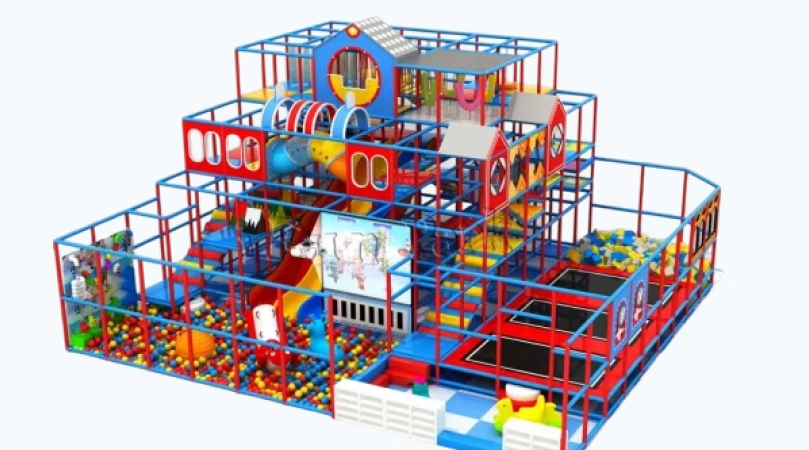
Last week's post covered what drives your equipment cost within the $35–$100 per square foot range- design, attraction mix, and theming. This week is about the next important decision that sits underneath all of that: where the equipment actually comes from, and who you're buying it through.
This is one of the few places in the entire build where a single decision, made early, can save you tens of thousands of dollars without changing your design at all.

Where the markup actually comes from
Most indoor playground equipment sold in North America is manufactured overseas. That part isn't really a choice; it's simply where this category of equipment is built at scale, to the volume and price point that makes an indoor playground business viable in the first place.
What is a choice is how many hands that equipment passes through before it reaches you. A domestic reseller sources from the same factories, adds a markup, and sells it to you as a finished package. That markup pays for the reseller's sales team, their showroom, their margin - none of which makes your equipment any safer, any better designed, or any more durable! It's the single biggest lever on your entire equipment line item, and it's a lever you control, not one the building hands you.
Why most owners don't go straight to the factory themselves
If a reseller markup is avoidable simply by skipping the reseller, the obvious next question is: why doesn't every owner just buy directly from an overseas factory?
Because doing that alone carries real risk, and it's risk that doesn't show up until it's already a problem:
• Communication gaps. Working directly with an overseas factory means navigating language differences, a twelve-hour-plus time zone gap, and a sales process built around a factory's production schedule rather than your opening timeline.
• Misunderstandings are common, and hard to fix after the fact. Specs get lost in translation. Costs change between quote and final invoice. And when they do, it's extremely difficult to get anything in writing — or to enforce it if you do.
• Six-figure wire transfers with no legal recourse. A mid-size equipment package can easily run into six figures, and international wire transfers to a factory you've never visited, backed by a contract in a legal system you have no standing in, is a real financial exposure most first-time owners underestimate until they're already committed.
• Freight and customs surprises. Without a Delivered Duty Paid (DDP) quote, freight and customs costs can arrive as a separate, unbudgeted bill at the border — on top of whatever you already paid for the equipment itself.
• No documentation, no safety standards trail. Equipment that can't be verified against recognized North American safety standards, with proper documentation, can mean failing your certificate of occupancy inspection or falling short of your insurer's minimums — after it's already installed.
None of these risks mean factory-direct is a bad idea. They mean factory-direct without a North American team standing between you and the factory is the risky version.
What factory-direct should actually look like
The version of factory-direct that captures the savings without the exposure has a few specific features:
A North American team handling design, paperwork, and accountability. You're still buying at factory pricing — but you're negotiating, communicating, and signing contracts with a team in your own time zone, speaking your language, who can actually be held accountable if something goes wrong.
DDP pricing from the start. Delivered Duty Paid means freight and customs are built into your quote upfront, not discovered at the border. This is one of the simplest ways to protect your budget from a surprise that has nothing to do with the equipment itself.
Documentation that actually holds up. Equipment that meets recognized North American safety standards — and comes with certification to prove it — is what gets you through inspection and satisfies your insurer, without a scramble after installation.
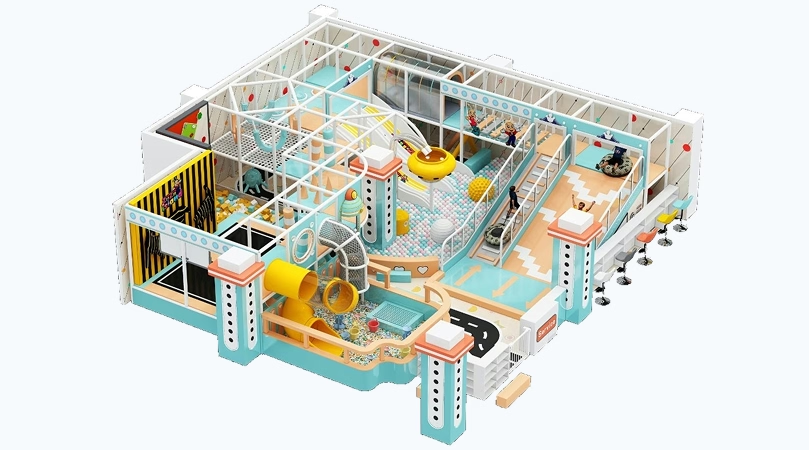
Custom design engaged early, ideally during your letter-of-intent phase, so the equipment is built to your actual floor plan rather than adapted to it after the fact. A professional 3D render of your specific space also tends to make banks and SBA lenders meaningfully more comfortable approving financing — it turns "an idea" into a tangible plan they can actually evaluate.
What can go wrong
• Going overseas alone, with no local accountability, trades a markup you can see for a set of risks you often can't - until they've already cost you money or time.
• Skipping the DDP conversation means freight and customs become a surprise instead of a line item.
• Buying without safety documentation can mean failing an inspection that has nothing to do with how well-built the equipment actually is.
The Takeaway
The reseller markup and the overseas-alone risk are really two versions of the same underlying problem: distance between you and the people actually responsible for your equipment. Factory-direct pricing with a North American team closes that distance from both directions - factory pricing without the markup, and a real point of accountability without the six-figure wire-transfer risk.
That's the whole premise behind how iFun Americas is set up: factory-direct equipment, with a team based right here in the U.S. handling design, documentation, and support -seven days a week.

One Team, Start Finish
When you work with iFun America, you work with one Utah-based team from first sketch through final installation. There is no overseas runaround or middleman. Factory-direct pricing keeps it in budget, and every project is governed by US law, so your investment is protected from day one. One phone number, one contract, one team accountable for getting it right.
Talk to a real person about your project - not a call center, not a factory rep twelve time zones away.
Same time zone, seven days a week.
Contact Us · (385) 412-7699



More recent Articles
Let's Chat
Reach out anytime by phone, email, or form. We're eager to get started on your next project.